A responsible reputation system for earning reviews, responding helpfully, improving operations and measuring trust without manipulating feedback. Built specifically for technology & saas serving Sandy and Salt Lake County.
Online Reputation Management for Technology & SaaS in Sandy: A 2026 Growth Guide is written for a technology or SaaS company that needs stronger trust and more actionable customer feedback without losing sight of customer experience or operational reality. The intended audience includes users, technical evaluators and budget owners. Their journey often includes problem discovery, product evaluation, demos and adoption, so the marketing plan must connect discovery, proof, action and follow-up rather than optimizing one channel in isolation.
This is not a promise of a particular ranking, lead volume or revenue result. It is a decision framework for building, testing and improving online reputation management in Sandy. Results depend on the offer, competition, budget, capacity, data quality, customer demand and the quality of implementation. The recommendations also require complex buying groups, proof of value and retention economics.

What makes the Sandy market different
Sandy sits within Salt Lake County, but a useful local plan should not treat every nearby community as interchangeable. The business needs to define where customers actually come from, how far they will travel or expect service, which alternatives they compare and which local signals build confidence. That evidence should shape geography, copy, scheduling and follow-up.
Start by reviewing the last twelve months of qualified inquiries and customers. Group them by city, service or product, source, time to decision and eventual value. Then compare that evidence with staff observations and customer interviews. A pattern in the CRM may reveal where demand exists; a conversation may explain why it converted or why it did not.
Use online reputation management Sandy Utah as a research theme, not as a phrase to repeat mechanically. Natural language should explain the service, the industry problem and the local customer situation. Search systems and people both benefit when a page contributes real information rather than a city name inserted into generic copy.
For technology & saas, local relevance can include response area, appointment or delivery logistics, staff expertise, community participation, recognizable proof and accurate expectations. Include those details only when they are true. Avoid invented local statistics, simulated testimonials or unsupported claims about being the best provider in Sandy.
1. Create a neutral review-request process
Consistent requests reduce bias and make feedback more representative of the customer base.
For a technology or SaaS company in Sandy, this work needs an owner and a visible definition of done. The owner should document the current baseline, the expected customer behavior and the operational handoff. Frontline feedback is especially valuable because it reveals whether the campaign is attracting users, technical evaluators and budget owners or merely increasing low-quality activity.
Actions to put in motion
- Ask all eligible customers
- Use clear platform links
- Avoid incentives or review gating
Implement the smallest complete version first. A complete path lets a prospective customer move from the initial message through the next meaningful step without encountering an unsupported claim, missing detail, broken control or unclear responsibility. This standard matters for online reputation management Sandy because lower local volume can make a handful of poor-fit actions look more important than they are.
Review Review request completion together with call notes, objections, questions and service feedback. The monthly review should state what changed, what was expected, what actually happened and which decision follows. This turns online reputation management into a managed learning system instead of a collection of disconnected tasks.
2. Respond with privacy and usefulness
A response should acknowledge the concern, protect personal details and point toward a real resolution path.
For a technology or SaaS company in Sandy, this work needs an owner and a visible definition of done. The owner should document the current baseline, the expected customer behavior and the operational handoff. Frontline feedback is especially valuable because it reveals whether the campaign is attracting users, technical evaluators and budget owners or merely increasing low-quality activity.
Actions to put in motion
- Set response ownership
- Use principles instead of scripts
- Move sensitive details offline
Implement the smallest complete version first. A complete path lets a prospective customer move from the initial message through the next meaningful step without encountering an unsupported claim, missing detail, broken control or unclear responsibility. This standard matters for technology & saas marketing Sandy because lower local volume can make a handful of poor-fit actions look more important than they are.
Review Review velocity and distribution together with call notes, objections, questions and service feedback. The monthly review should state what changed, what was expected, what actually happened and which decision follows. This turns online reputation management into a managed learning system instead of a collection of disconnected tasks.
3. Monitor the places buyers actually use
Different industries depend on different review, marketplace and social environments.
For a technology or SaaS company in Sandy, this work needs an owner and a visible definition of done. The owner should document the current baseline, the expected customer behavior and the operational handoff. Frontline feedback is especially valuable because it reveals whether the campaign is attracting users, technical evaluators and budget owners or merely increasing low-quality activity.
Actions to put in motion
- List priority platforms
- Configure reliable alerts
- Verify profile accuracy
Implement the smallest complete version first. A complete path lets a prospective customer move from the initial message through the next meaningful step without encountering an unsupported claim, missing detail, broken control or unclear responsibility. This standard matters for online reputation management Salt Lake County because lower local volume can make a handful of poor-fit actions look more important than they are.
Review Response time together with call notes, objections, questions and service feedback. The monthly review should state what changed, what was expected, what actually happened and which decision follows. This turns online reputation management into a managed learning system instead of a collection of disconnected tasks.
4. Turn recurring feedback into operations
Reputation improves sustainably when the underlying customer experience improves.
For a technology or SaaS company in Sandy, this work needs an owner and a visible definition of done. The owner should document the current baseline, the expected customer behavior and the operational handoff. Frontline feedback is especially valuable because it reveals whether the campaign is attracting users, technical evaluators and budget owners or merely increasing low-quality activity.
Actions to put in motion
- Code recurring themes
- Assign corrective actions
- Report resolution progress
Implement the smallest complete version first. A complete path lets a prospective customer move from the initial message through the next meaningful step without encountering an unsupported claim, missing detail, broken control or unclear responsibility. This standard matters for Sandy digital marketing because lower local volume can make a handful of poor-fit actions look more important than they are.
Review Recurring issue resolution together with call notes, objections, questions and service feedback. The monthly review should state what changed, what was expected, what actually happened and which decision follows. This turns online reputation management into a managed learning system instead of a collection of disconnected tasks.
5. Prepare for high-risk situations
Clear escalation rules help teams respond to safety, legal or viral issues without improvisation.
For a technology or SaaS company in Sandy, this work needs an owner and a visible definition of done. The owner should document the current baseline, the expected customer behavior and the operational handoff. Frontline feedback is especially valuable because it reveals whether the campaign is attracting users, technical evaluators and budget owners or merely increasing low-quality activity.
Actions to put in motion
- Define severity levels
- Name decision makers
- Preserve evidence and timelines
Implement the smallest complete version first. A complete path lets a prospective customer move from the initial message through the next meaningful step without encountering an unsupported claim, missing detail, broken control or unclear responsibility. This standard matters for technology & saas marketing Utah because lower local volume can make a handful of poor-fit actions look more important than they are.
Review Review request completion together with call notes, objections, questions and service feedback. The monthly review should state what changed, what was expected, what actually happened and which decision follows. This turns online reputation management into a managed learning system instead of a collection of disconnected tasks.
6. Measure trust alongside conversion
Rating alone can hide response quality, issue patterns and the effect on customer action.
For a technology or SaaS company in Sandy, this work needs an owner and a visible definition of done. The owner should document the current baseline, the expected customer behavior and the operational handoff. Frontline feedback is especially valuable because it reveals whether the campaign is attracting users, technical evaluators and budget owners or merely increasing low-quality activity.
Actions to put in motion
- Review sentiment themes
- Track profile-to-site actions
- Connect feedback to retention
Implement the smallest complete version first. A complete path lets a prospective customer move from the initial message through the next meaningful step without encountering an unsupported claim, missing detail, broken control or unclear responsibility. This standard matters for online reputation management Sandy because lower local volume can make a handful of poor-fit actions look more important than they are.
Review Review velocity and distribution together with call notes, objections, questions and service feedback. The monthly review should state what changed, what was expected, what actually happened and which decision follows. This turns online reputation management into a managed learning system instead of a collection of disconnected tasks.
A 90-day implementation roadmap for Sandy
Days 1–30: establish the baseline
Interview the people who answer inquiries, sell the service and deliver the customer outcome. Audit the highest-value pages, profiles, campaigns, forms and follow-up steps. Record the current definitions of a lead, qualified opportunity and customer. Do not change several systems before the team can explain the starting point.
By day 30, the team should have one priority audience, one primary offer, one measurable outcome and a written list of evidence gaps. It should know which geographic areas are truly serviceable from Sandy, which inquiries create value and which recurring objections indicate a positioning or experience problem.
Days 31–60: build the minimum complete journey
Connect the message, destination, conversion action and human follow-up. Update priority content before increasing distribution. Test every form, phone number, booking flow, email and CRM rule on desktop and mobile. Where accessibility or privacy is relevant, treat it as a requirement rather than a later enhancement.
Create enough creative and content variety to answer the main decision questions without making contradictory promises. Give each channel one role. For example, a local-search page can capture active need while email nurtures a longer decision and social content demonstrates expertise. The roles may differ by technology & saas, but each should support the same positioning.
Days 61–90: learn and scale carefully
Compare qualified outcomes with the baseline. Scale the audience, message and experience combinations that produce real progress. Repair weak handoffs before adding budget. Document losing tests as carefully as winners, because a controlled negative result prevents repeated waste.
Finish the review with three decisions: what to keep, what to improve and what to stop. Assign a person, deadline and expected evidence to each decision. A useful report changes what the team does next; a dashboard that produces no decision is incomplete.
Map the customer journey before selecting tactics
| Journey stage | Customer question | Useful marketing response |
|---|---|---|
| Discovery | Is there a solution that fits my situation in Sandy? | Clear local visibility, accurate service information and a relevant first message. |
| Evaluation | Can I trust this technology & saas provider? | Evidence, process clarity, responsible claims, useful reviews and accessible answers. |
| Action | What happens if I contact, book, visit or request a quote? | A proportionate call to action, minimal friction and transparent expectations. |
| Handoff | Will someone respond with context and respect? | Reliable routing, visible ownership and a timely human response. |
| Retention | Did the experience deliver the value that was promised? | Onboarding, follow-up, education, issue resolution and appropriate next steps. |
The journey prevents channel-first planning. If the evaluation stage lacks credible proof, buying more traffic will expose the gap more quickly rather than solving it. If response ownership is unclear, a higher conversion rate can create more disappointed prospects. Sequence investments according to the most expensive constraint.
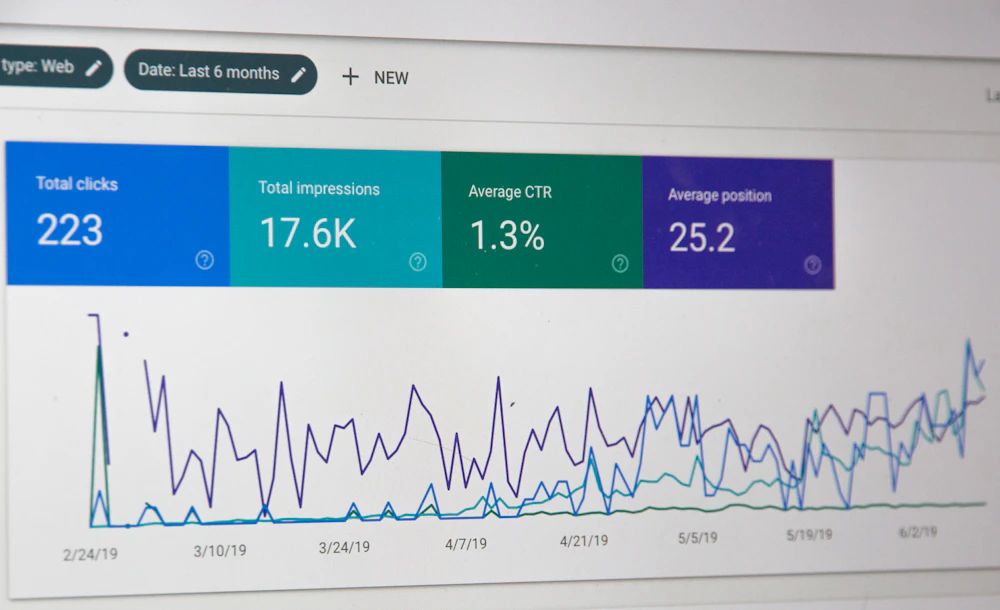
Measurement plan and decision rules
Use a compact scorecard that combines visibility, customer action, quality and financial evidence. Write the definition beside every metric so a “lead” cannot quietly change meaning between marketing and sales. For a Sandy campaign, add geographic context without assuming that city-level attribution is perfect; mobile behavior, privacy choices, calls and offline activity can all reduce observation.
| Metric | Question it answers | Decision it supports |
|---|---|---|
| Review request completion | Are we reaching the intended market? | Audience and distribution |
| Review velocity and distribution | Are prospects taking an appropriate next step? | Message and experience |
| Response time | Are those actions becoming qualified progress? | Qualification and follow-up |
| Recurring issue resolution | Is the work contributing durable value? | Budget and scale |
Set decision rules before looking at results. Examples include pausing a source that repeatedly produces unserviceable inquiries, repairing a page when qualified visitors encounter a broken step, or expanding a tested message only after downstream quality holds. Avoid false precision: attribution is a model, and a responsible report states both evidence and limitations.
Common mistakes to avoid
Creating location pages by replacing city names
Near-duplicate pages rarely help a buyer. A local resource needs distinct service details, logistics, proof or customer questions. If the organization cannot add meaningful Sandy information, one stronger regional page may be better.
Choosing technology before the customer problem
A new platform cannot repair vague positioning, missing proof or poor response. Define the business constraint and customer action before selecting tools or automation.
Optimizing to the easiest metric
Reach, clicks and form fills can improve while opportunity quality falls. Review the full path from discovery to delivery and use downstream feedback.
Changing too many variables at once
If audience, offer, creative, page and follow-up all change together, the team cannot explain the outcome. Preserve a baseline and sequence material tests.
Publishing unsupported industry claims
Technology & SaaS marketing requires complex buying groups, proof of value and retention economics. A marketer should verify consequential claims with the organization’s qualified reviewers and current official guidance before publication.
Questions for the next planning meeting
- Which customer problem in Sandy are we addressing, and who feels it most strongly?
- What evidence would make our promise credible to a skeptical buyer?
- Where can a person become confused or lost between the first message and the real outcome?
- Which metric could improve while the business result becomes worse?
- What operational constraint would prevent us from serving new demand well?
- What will we stop doing if this online reputation management plan becomes the priority?
Vague answers indicate that the campaign brief is not ready. The team should resolve major disagreements about audience, value, qualification and ownership before it multiplies assets or increases media.
Frequently asked questions
How long should online reputation management take to work in Sandy?
There is no universal timeline. Paid distribution can create feedback quickly, while organic visibility, reputation and retention work often build over longer periods. Set 30-, 60- and 90-day evidence milestones without guaranteeing a commercial result.
How much should a technology or SaaS company budget?
Budget should reflect the value of a qualified customer, realistic conversion rates, market volume, production needs and response capacity. Start with a test large enough to produce learning, then scale only when customer quality and delivery remain healthy.
Does the business need a separate page for every nearby city?
No. Build a city page only when it serves a distinct audience with real local information. Avoid doorway pages that simply substitute one place name for another.
Can AI write and publish the campaign content automatically?
AI can assist research, structure and drafts. A knowledgeable human should verify accuracy, local relevance, brand voice, accessibility, privacy and sensitive industry claims before publication.
What should the team do first?
Audit one complete customer journey: message, destination, action, routing, response and outcome. Repair the clearest break, document the baseline and run one controlled improvement.
Primary sources and further reading
- Google: improve local ranking
- FTC: advertising and marketing basics
- Google Analytics: mark key events
- Utah Governor’s Office of Economic Opportunity
Editorial note: This draft is a strategic marketing guide, not legal, financial, medical or regulatory advice. Platforms, rules and local conditions change. A qualified reviewer should verify consequential claims and current official guidance before publication.
Final perspective
The strongest online reputation management Sandy Utah program is not the one with the most channels, automation or content. It is the one that helps the right customer make a confident decision, gives the delivery team a realistic promise to fulfill and produces evidence the business can use. Begin with one complete customer journey in Sandy, learn from it and expand only when quality remains intact.
